When a septic system starts acting up, the first question is usually whether the issue can be repaired or whether the whole system needs to be replaced. Slow drains, odors, soggy ground, or backups can point to anything from a localized component failure to a larger system problem.
At Brumfield Construction, we look at the root cause first so homeowners can make the most practical decision. In many cases, a targeted repair is enough. In others, the system has reached the point where replacement is the better long-term fix.
When a Septic Repair Is Enough
Not every septic problem requires a full replacement. If your system is relatively young (less than 15 to 20 years old) and has been maintained properly, a repair may be the right choice.
Common scenarios where a repair is the best route include:
- Broken or Clogged Pipes: If a single line running from the house to the tank is crushed by roots or heavy vehicles, it can be dug up and replaced without touching the rest of the system.
- Malfunctioning Pumps or Floats: Modern alternative systems rely on electrical components, controls, and submersible pumps to move effluent. If a pump burns out or a float switch fails, it is a straightforward mechanical fix.
- Damaged Baffles or Riser Lids: Concrete or plastic baffles inside the tank prevent solids from escaping into your drainfield. If these break, a technician can install a retrofit baffle to protect your system.
If you are noticing early warning signs like slow drains or gurgling pipes, reviewing the 5 signs your septic system needs repair or replacement can help you catch these issues before they turn into full-scale emergencies.
When a Septic Replacement Makes More Sense
A replacement becomes necessary when the core system has failed or the site conditions no longer support the existing setup. The primary indicator for a complete replacement is a failed drainfield (also known as a leach field). When the soil surrounding your drainfield pipes becomes completely saturated with organic solids over many years, the ground loses its ability to filter water. Once the soil is clogged, the water has nowhere to go but up to the surface or back into your home.
Signs that a replacement may be the better option include:
- A failed drainfield.
- A cracked or collapsed tank.
- Repeated system failures in different areas.
- A system that no longer meets current code or site requirements.
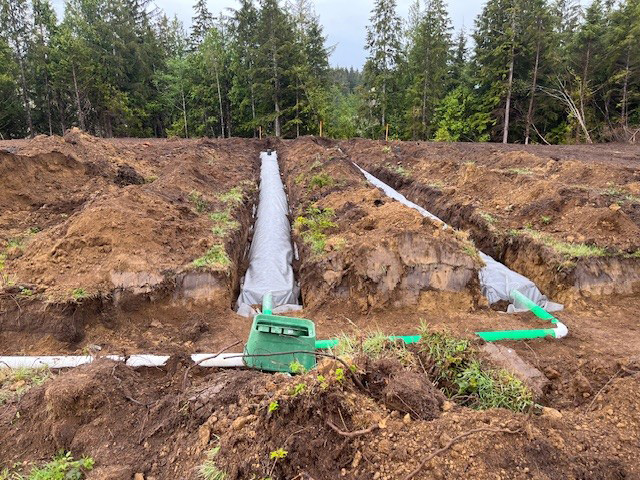
When a complete overhaul is necessary, the quality of the groundwork is everything. Utilizing specialized excavation for septic system installation ensures your new tank and lines are perfectly leveled to prevent premature failures down the road.
Repair vs. Replacement at a Glance
|
Issue |
Typical Solution |
Why |
|
Burned-out effluent pump |
Repair |
A mechanical component can often be replaced without disturbing the full system. |
|
Root intrusion in a pipe |
Repair |
The damaged section can usually be removed and replaced. |
|
Damaged baffle |
Repair |
Localized component damage does not always require a new system. |
|
Failed drainfield |
Replacement |
The soil can no longer properly absorb and treat wastewater. |
|
Cracked or collapsed tank |
Replacement |
Structural failure usually means the tank must be replaced. |
|
Poor site conditions or outdated layout |
Replacement |
The existing system may no longer work for the property. |
The Regulatory Factor in Western Washington
Replacing a septic system isn’t as simple as digging a hole and dropping in a new tank. In Washington, septic installations are strictly regulated by county health departments.
If your property has tight clay, hardpan glacial till, or a high water table, a standard gravity system might not even be legally allowed as a replacement. You may need to transition to a proprietary or alternative system—such as a Glendon, mound, or pressure distribution system.
Because these advanced networks require strict adherence to environmental codes and precise grading, you need an experienced team that handles both the legal permitting and the physical dirt work. Brumfield Construction provides comprehensive septic install and repair services, guiding you through the diagnostic process to find the most cost-effective, code-compliant solution.
How Brumfield Construction Helps
We start by evaluating the issue and determining whether a repair will solve the problem or whether replacement is the smarter move. That approach helps homeowners avoid spending money on a fix that won’t last.
If replacement is needed, Brumfield Construction handles the excavation and install work required to build a new septic system that fits the site conditions and supports long-term performance. If repair is the right path, we focus on correcting the problem efficiently so the system can keep doing its job.
Protect Your Property
A septic issue should never be ignored for too long. A small repair can often stop a bigger problem from turning into a full system replacement, but delaying action can make the damage worse.
If your septic system is showing signs of trouble, Brumfield Construction can help you determine the right next step. Whether the answer is repair or replacement, the goal is the same: restore reliable performance and protect your property for the long run.
 Skip to content